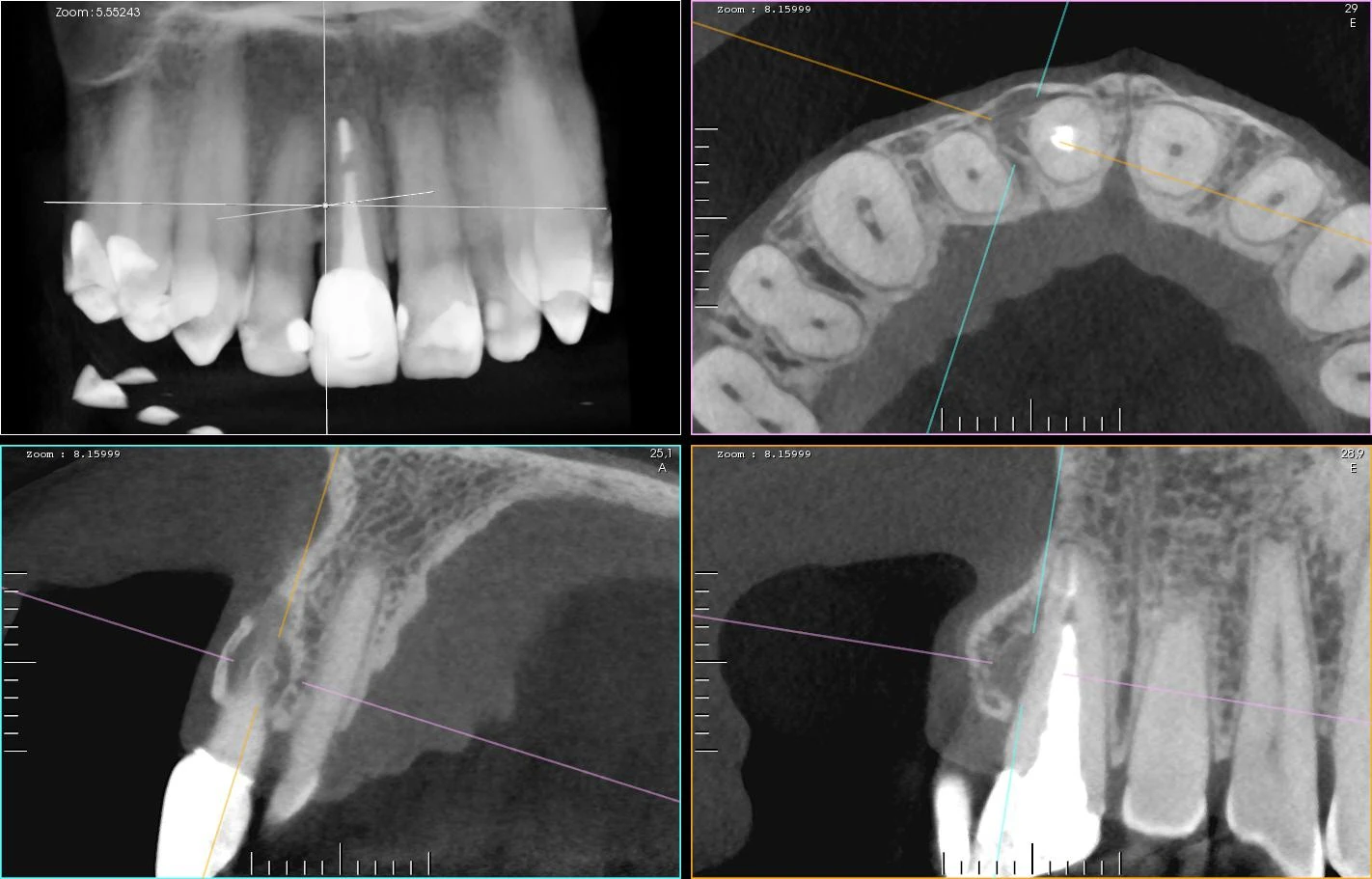
The treated tooth still hurts.
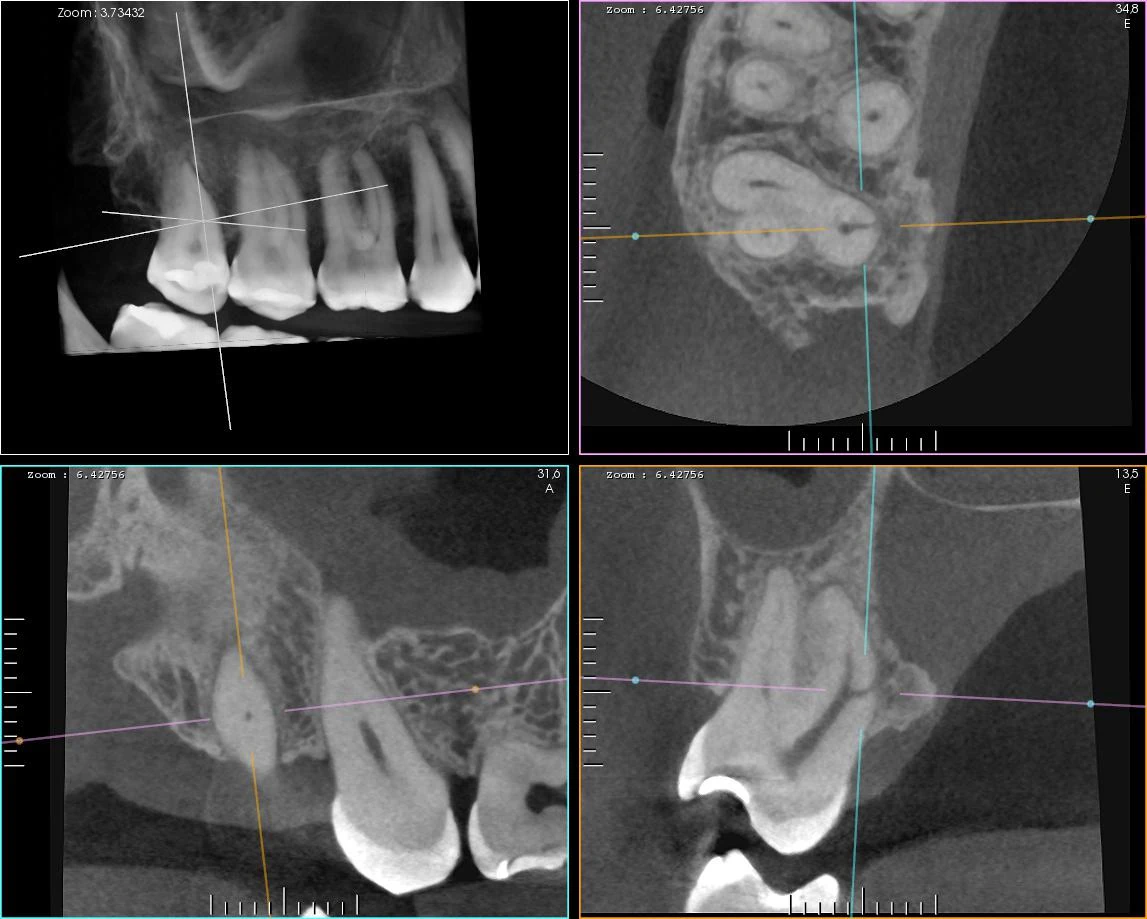
The scan offers no obvious explanation. Where do you look next, and what can imaging reasonably resolve?
With thanks to our course sponsors

Advanced CBCT & AI. Two days. A new perspective.
Your scanner captures the data. Your ability to interpret it changes the clinical decision. Develop a stronger method for fractures, artifacts, apical disease, sinus findings, and practical AI workflows.
For endodontists, dental specialists, and general dentists with a foundation in CBCT.
Small class. Personalized instruction. Hands-on learning.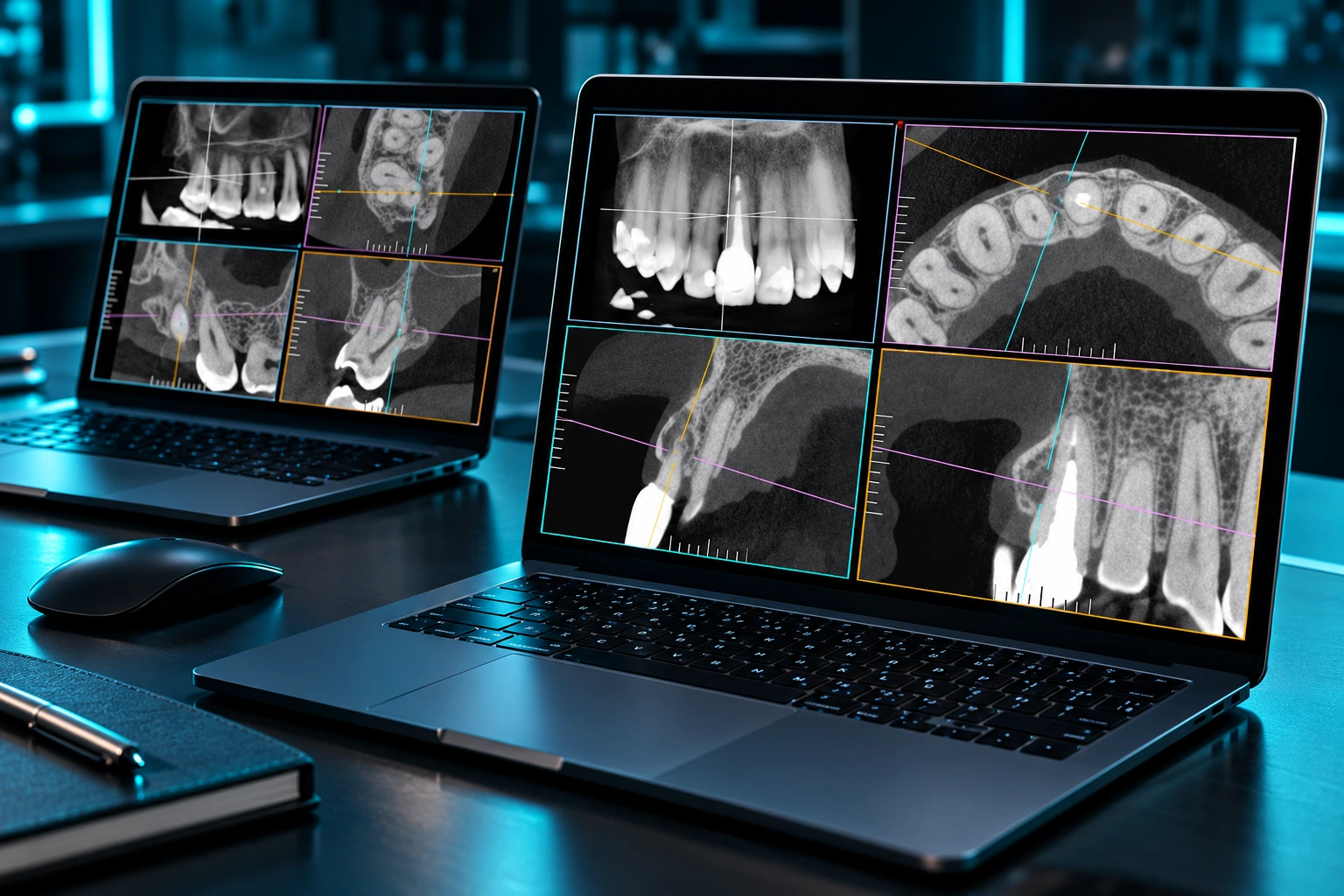
The scan offers no obvious explanation. Where do you look next, and what can imaging reasonably resolve?
Is it anatomy, artifact, or a suspicious fracture pattern? Learn to weigh the surrounding findings and the limitations.
A cemental tear, localized bone loss, or sinus changes may call for a broader differential assessment.
Move from broad claims to concrete workflows for research, communication, education, and documentation, with clinician oversight.
The real difference is knowing what to look for, where to look, and what the findings mean.
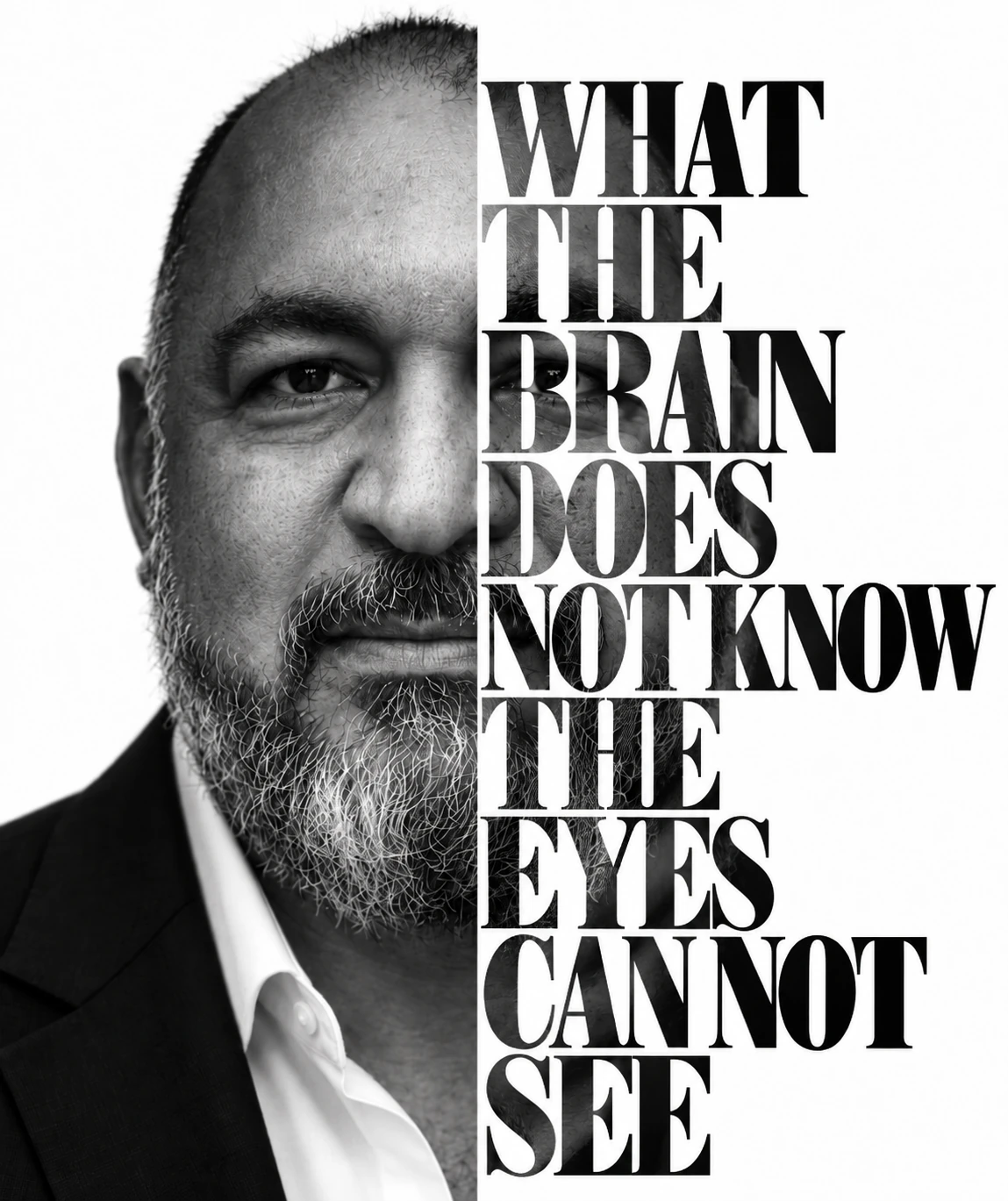
“What the brain does not know the eyes cannot see.”Dr. Bruno Azevedo · The Cone Beam Guy
Knowing how to navigate the software is a start. Advanced interpretation requires a method: evaluate the volume, recognize patterns, connect them with clinical findings, and understand what the scan cannot tell you.
We will work through challenging cases together, including those where uncertainty remains. Better interpretation also means knowing when further evaluation is needed.
“This is the most advanced CBCT and AI course I have ever brought to Europe.”
Dr. Bruno Azevedo
This is a brand-agnostic CBCT course. Regardless of the scanner or software you use, the focus is on interpretation skills and practical strategies you can bring back to your own cases.
An advanced learning experience for endodontists, dental specialists, and general dentists ready to deepen their CBCT interpretation and explore practical AI applications.
A volume is only as useful as the information it captures. Explore field of view, resolution, and acquisition choices, then assess how optimization affects the question you can answer.
Practice recognizing how artifacts form and how they can mislead. Explore “artifacts as allies” while learning why an artifact alone does not establish pathology.
Examine suspicious vertical root fracture patterns, cemental tears, and associated tissue changes. Practice integrating those findings while respecting diagnostic limitations.
Work through complex apical disease, possible dental contributions to sinus changes, and other pathology. Develop a structured approach to further evaluation and referral.
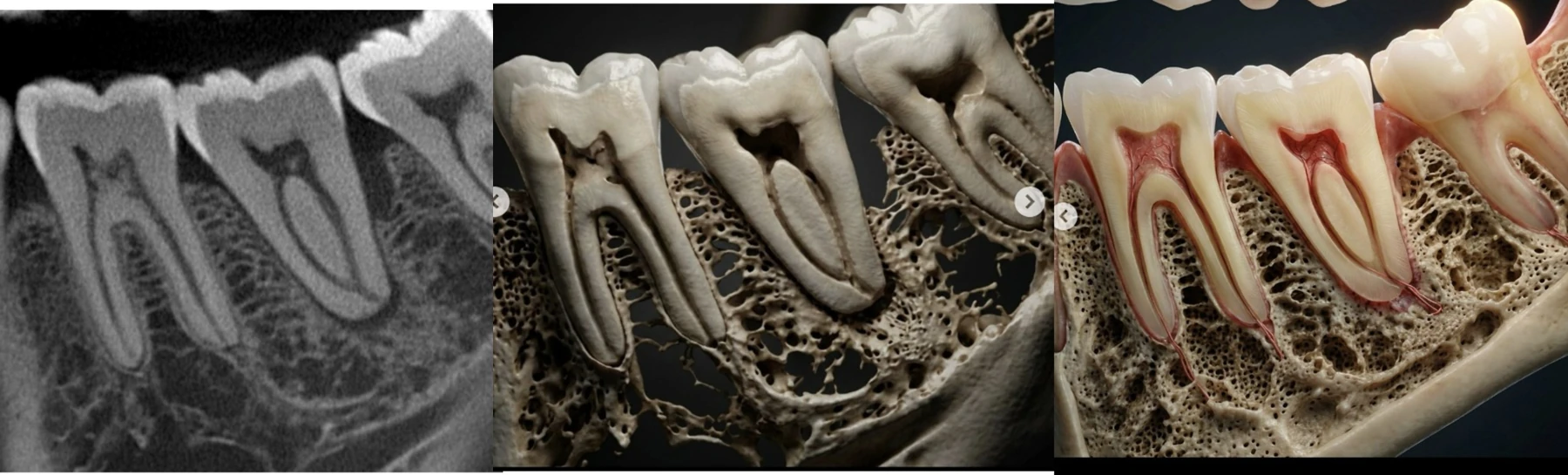
Practice image navigation and optimization. Explore e-Vol DXS filters and cinematic rendering where supported. Distinguish transferable principles from software-specific capabilities.
Explore research synthesis, patient communication drafts, educational materials, administrative tasks, and documentation support. Verify outputs and handle patient information appropriately. General-purpose AI does not replace professional CBCT interpretation.
Evaluate acquisition choices. Describe suspicious patterns and their limits. Organize a differential assessment. Navigate volumes with intention. Build an AI-assisted workflow you can check.
Real cases. Guided interpretation. Room for questions. Brand-independent principles, with selected software demonstrations.
Two full days give you time to move from seeing a finding to understanding its significance. Bring your laptop, your curiosity, and the questions that stay with you after a difficult case.
Small class. Direct interaction. Practical learning.
Advanced CBCT interpretation, challenging cases, and hands-on learning.
Continue the case-based experience and explore practical applications of AI.
Course hours: 09:00–18:00 both days. The sessions above describe the learning experience, not a finalized daily agenda. The detailed teaching sequence will be shared before the course.
Move through the volume. Compare the planes. Challenge the first impression. Develop a method you can use on your own cases.
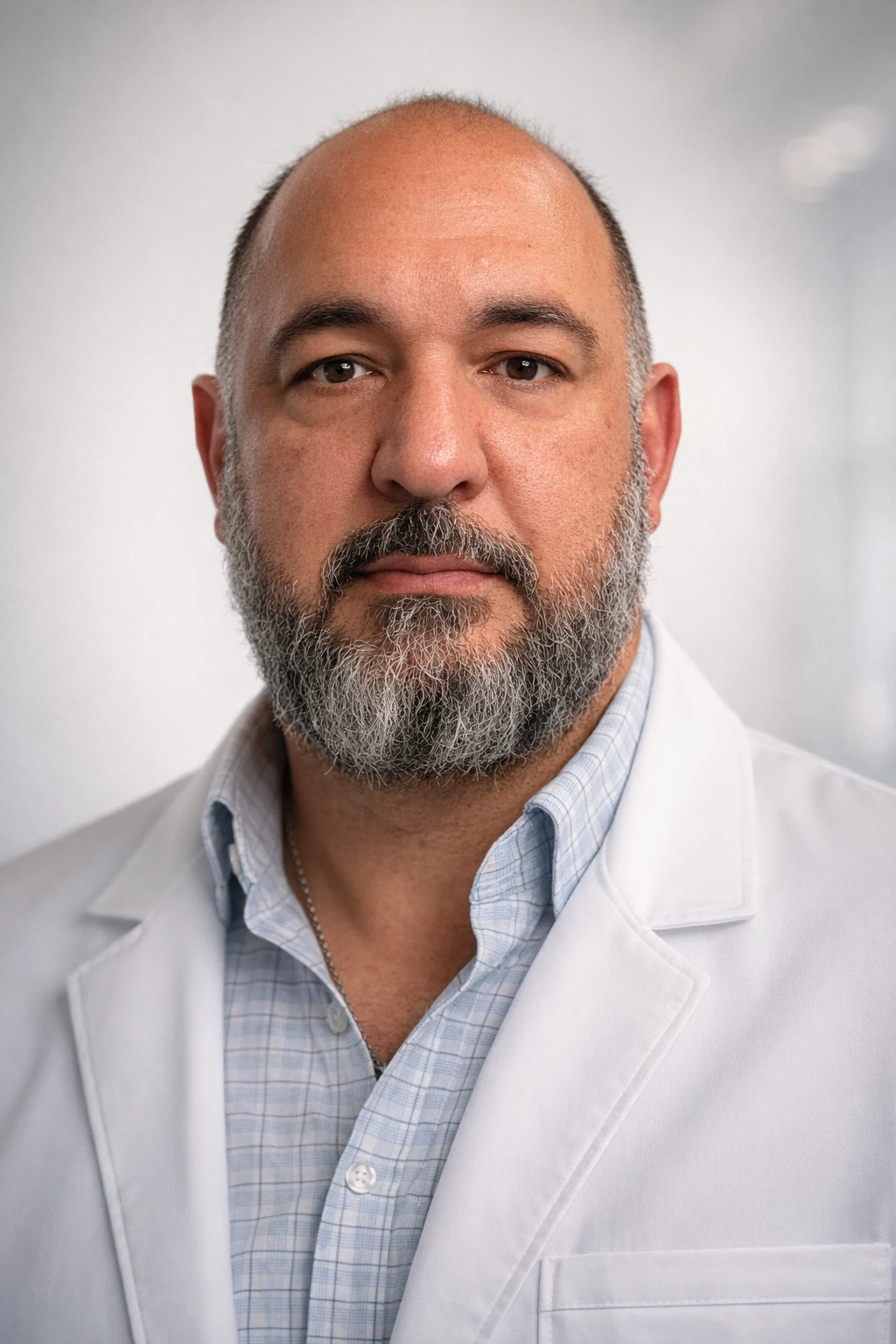
Oral and Maxillofacial Radiologist and Endodontist. Diplomate of the American Board of Oral and Maxillofacial Radiology.
With more than 23 years of CBCT experience by the time of this course, more than 20 years in imaging technology development, and teaching in over 20 countries, Bruno connects the technology with the decisions clinicians face. His former academic leadership roles include Western University and the University of Louisville.
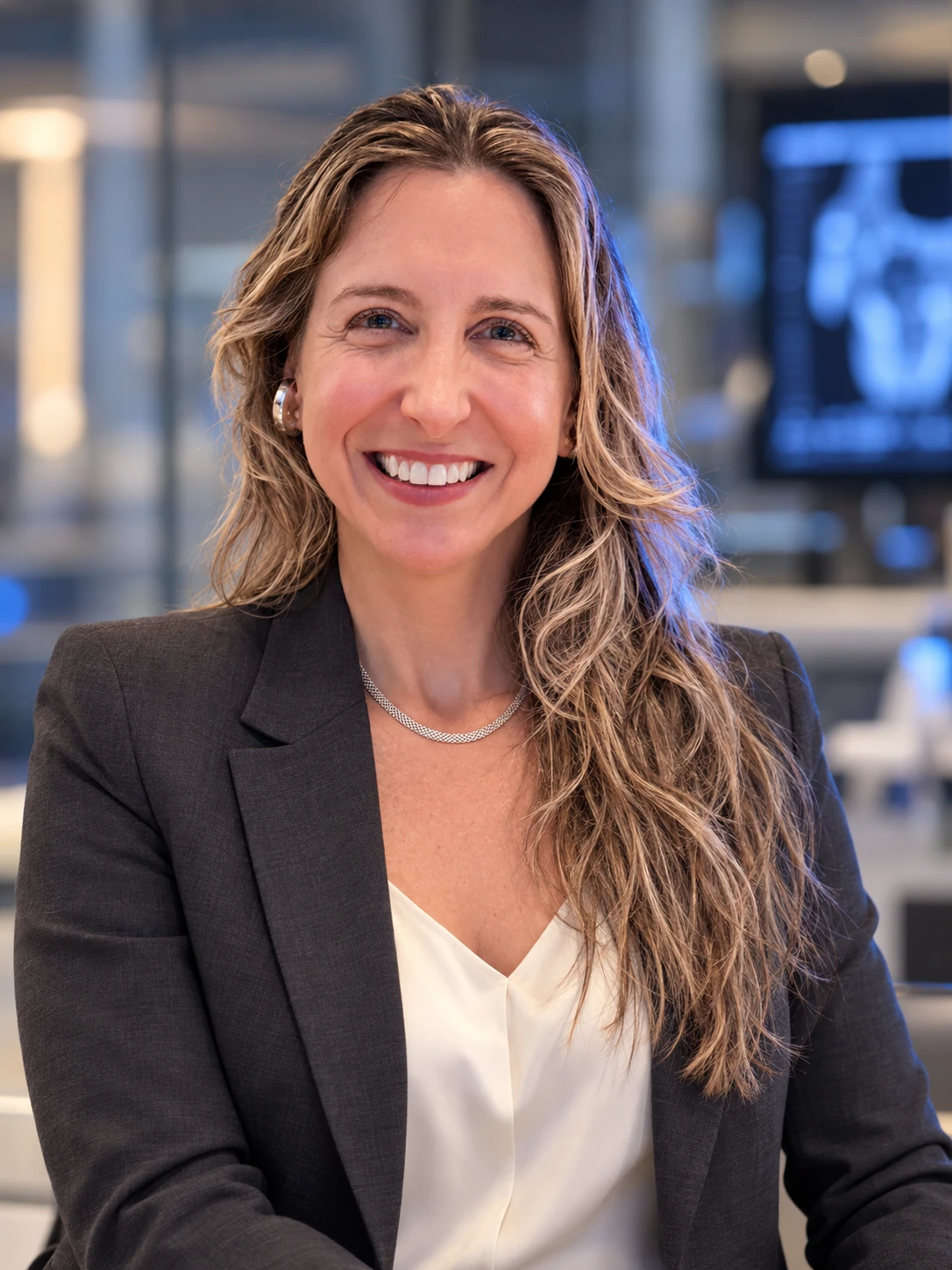
Joining Bruno for this advanced two-day experience, Paula brings an additional teaching perspective to the exploration of CBCT and AI.
Together, they will guide an interactive course designed to help you ask better questions, examine challenging cases, and explore new ways of working.
Two days of focused learning. A city worth making time for.
The Douro, the architecture, the food, and conversations with colleagues beyond the classroom. Combine advanced clinical education with a memorable European visit.

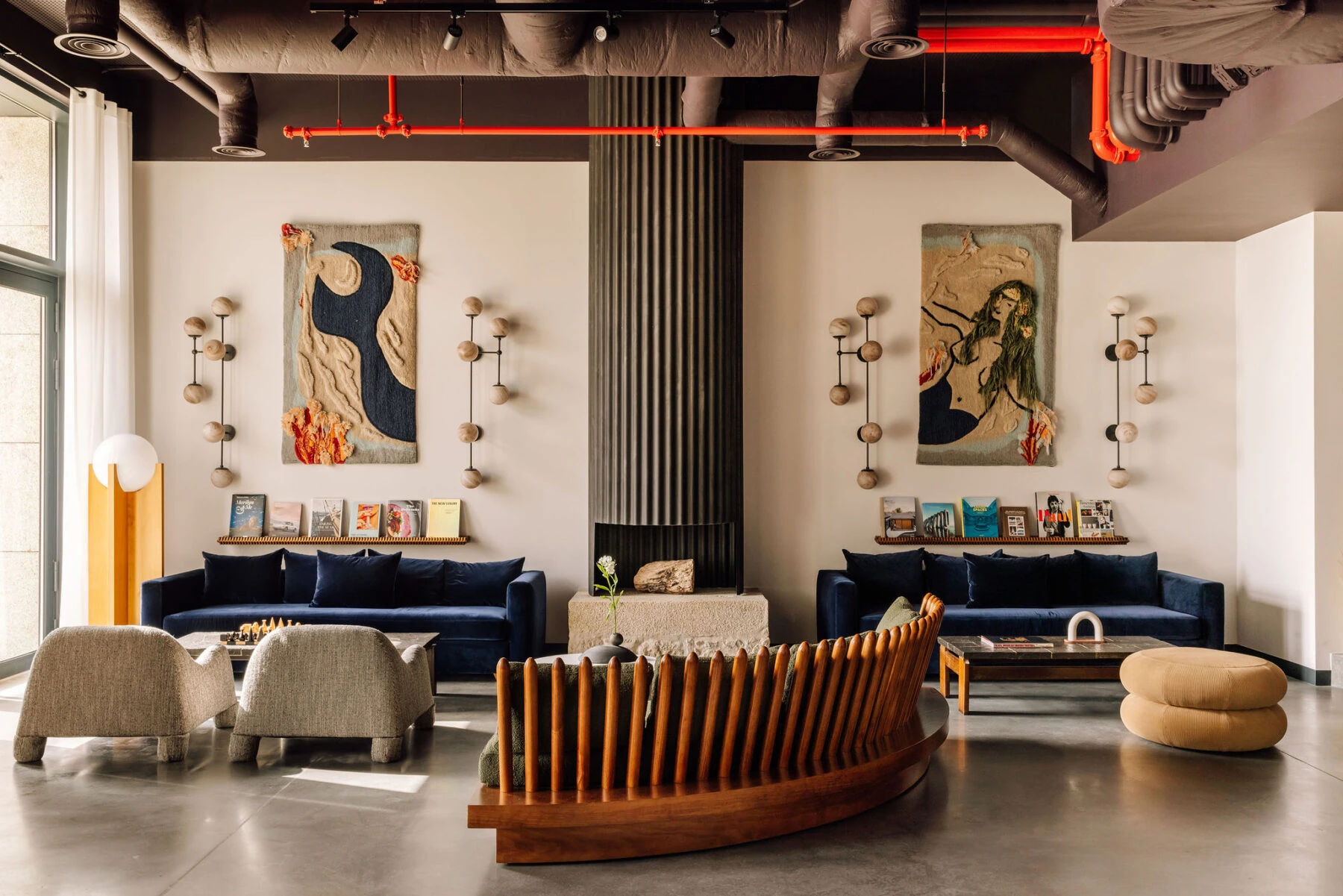
A setting for stepping out of the daily routine and into a more focused learning experience.
Participants book accommodation directly with the hotel. A room discount code will be shared when available.
Explore The Rebello ↗Destination photographs: The Rebello official gallery.
Join Bruno and Paula in Porto for two days dedicated to seeing more, understanding more, and making better use of the technology you already have.
Small-class learning for clinicians ready to move beyond the basics. No particular CBCT brand is required.
Yes. This is a brand-agnostic course for clinicians using any CBCT system. The interpretation principles apply across brands. Selected software tools will be demonstrated as part of the learning experience.
Endodontists, dental specialists, and general dentists with a foundation in CBCT who want a more advanced, case-based learning experience.
Bring your laptop, a mouse, and charger. A Windows PC with an NVIDIA graphics card is recommended for cinematic rendering. Apple laptops are welcome, with limitations for some software and rendering activities.
Subscriptions to AI tools are encouraged if you want to explore their full capabilities, but they are not mandatory for attendance.
The course takes place on January 15–16, 2027, from 09:00 to 18:00 each day. Instruction is in English.
The course takes place at The Rebello in Vila Nova de Gaia, Porto, Portugal.
Select “Reserve My Place in Porto” to open the provided PayPal checkout. Early enrollment is €1,795 for the first 10 registrations; regular tuition is €1,995. Check the amount displayed before completing payment.
Book your room directly with The Rebello. A participant discount code will be shared when available. Accommodation is separate from course registration.